Best Layouts for Small Kitchens (That Don’t Feel Cramped)
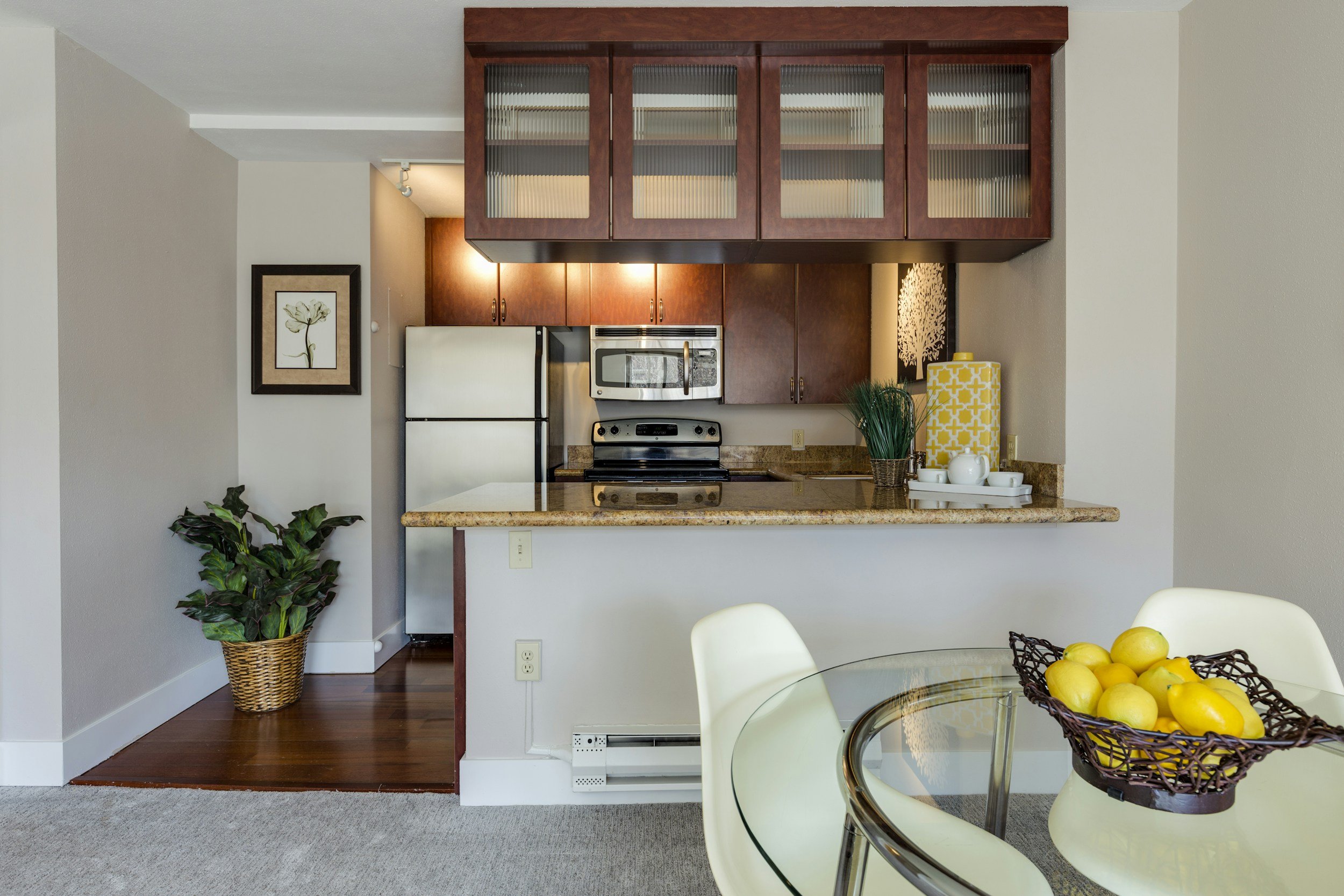
Small kitchens don’t have to feel limiting. With the right layout, even compact spaces can feel functional, open, and comfortable to use every day. When it comes to remodeling and renovating your kitchen, choosing the right layout for the space often matters more than the materials themselves.
When space is tight, layout decisions affect everything from how easily you move through the room to how much storage you actually gain. Before focusing on finishes or fixtures, it’s worth understanding which layouts work best for smaller kitchens and why.
Why Layout Matters More Than Finishes in Small Kitchens
In large kitchens, finishes can do a lot of the visual heavy lifting. In small kitchens, layout determines whether the space works at all. A well-planned layout:
Improves traffic flow and reduces bottlenecks
Makes daily tasks like cooking and cleaning easier
Maximizes storage without making the room feel crowded
Helps the kitchen feel intentional instead of improvised
In many Southeast Wisconsin homes, especially those built decades ago, kitchens weren’t designed for modern appliances, storage needs, or open living styles. That’s why adjusting the layout is often one of the most impactful udpates you can make.
Galley Kitchens: When They Work Best
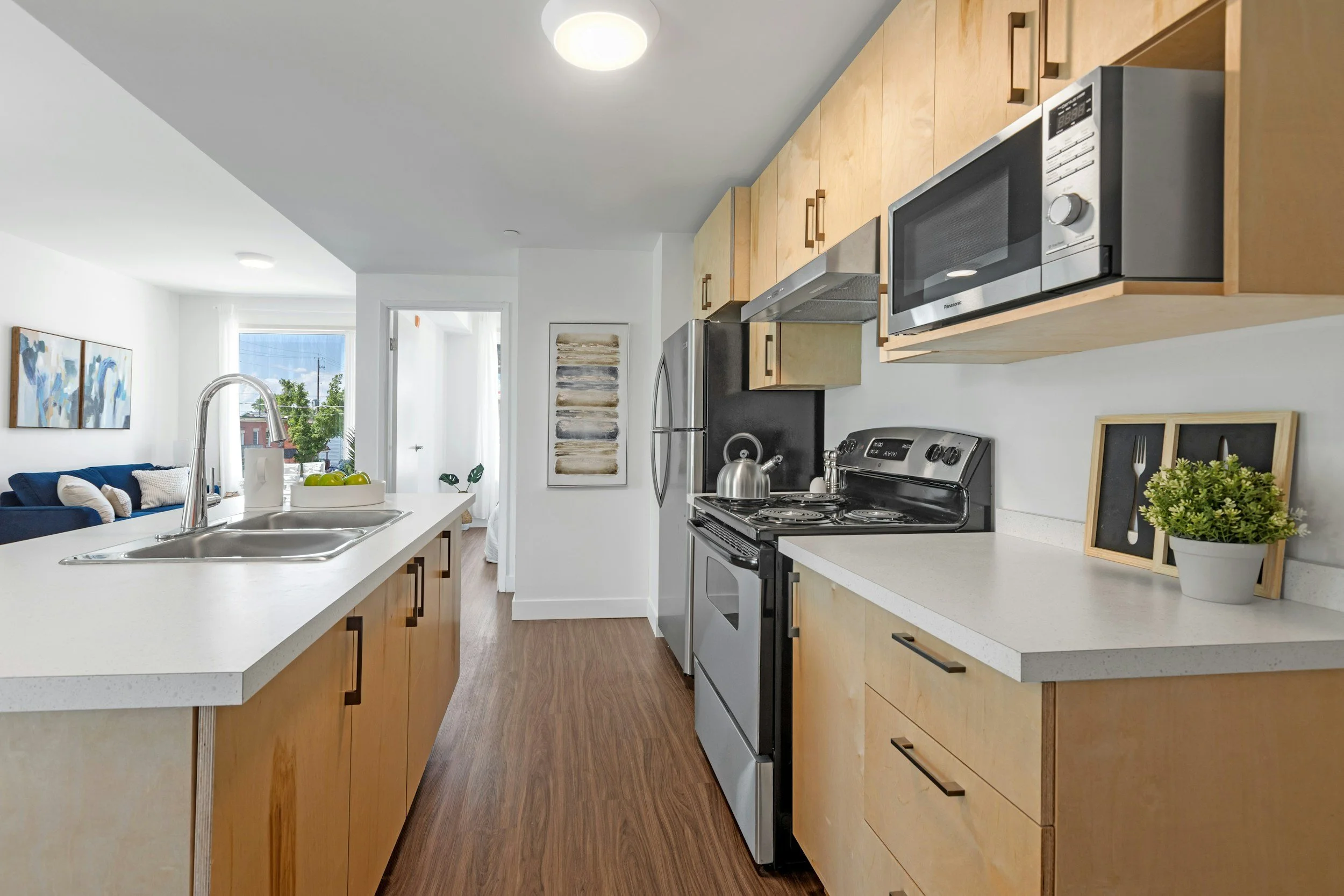
Galley kitchens are one of the most efficient layouts for small spaces. They typically feature two parallel runs of cabinets with a walkway in between. This layout works best when:
The kitchen is narrow and enclosed
You want to maximize cabinet and counter space
The kitchen isn’t meant to be a social gathering area
Galley kitchens often get a bad reputation for feeling tight, but when designed well, they can be extremely functional. Keeping upper cabinets streamlined, using lighter finishes, and ensuring proper aisle width can make a galley kitchen feel practical rather than cramped.
Galley layouts are especially common in older Wisconsin homes where expanding the footprint isn’t an option.
L-Shaped Kitchen Layouts for Better Flow
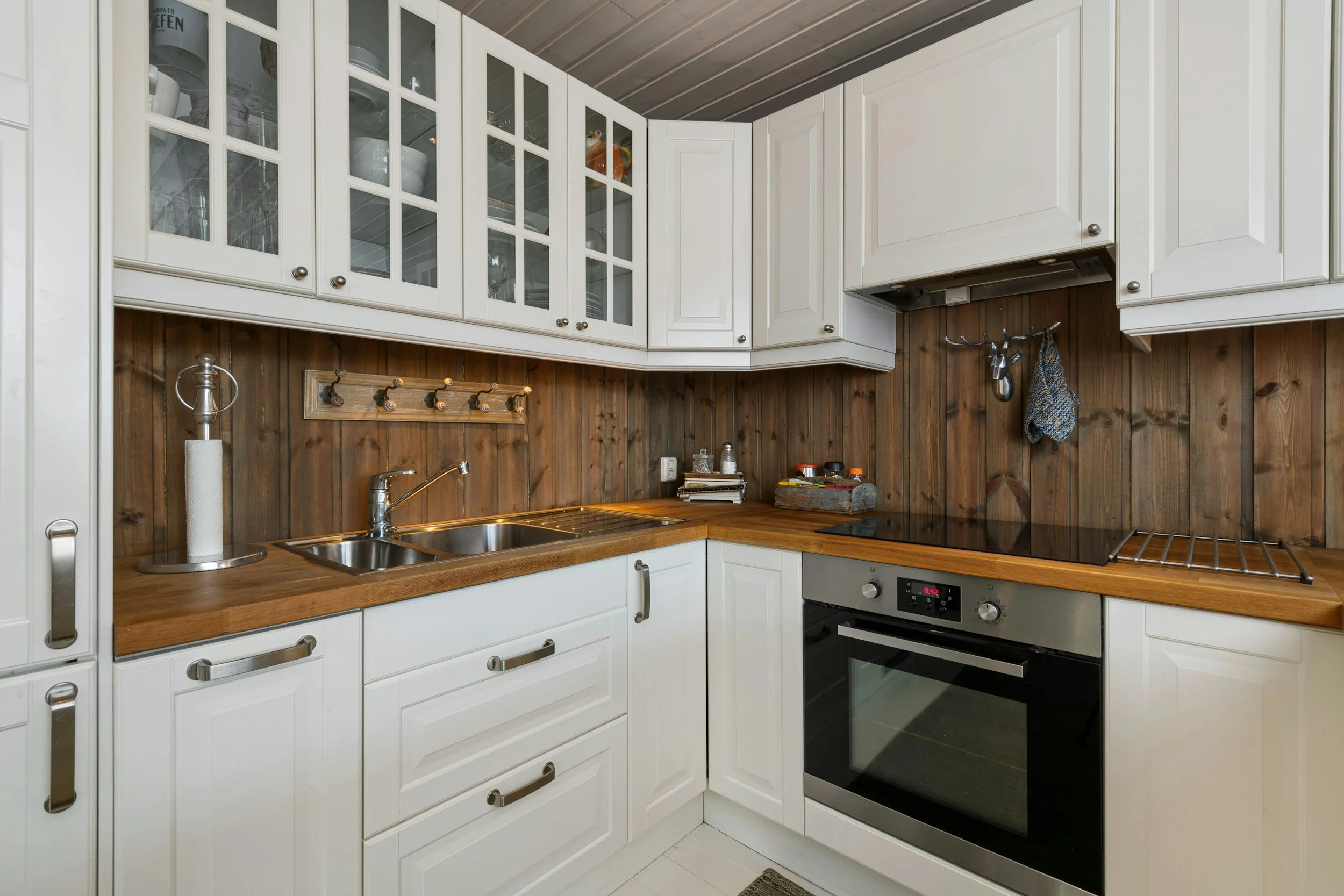
An L-shaped kitchen layout uses two adjoining walls, creating a more open feel than a galley while still providing plenty of workspace. This layout is a great option if:
You want better flow into adjacent rooms
The kitchen opens into a dining or living area
You’re looking for flexibility with appliances and storage
L-shaped kitchens work well in small to medium spaces because they leave one side of the room open, which can make the kitchen feel larger. In some cases, a small peninsula can be added for extra prep space without closing off the room.
For homeowners looking to subtly open up their kitchen without a full structural remodel, this layout often strikes the right balance.
One-Wall Kitchens in Older Wisconsin Homes
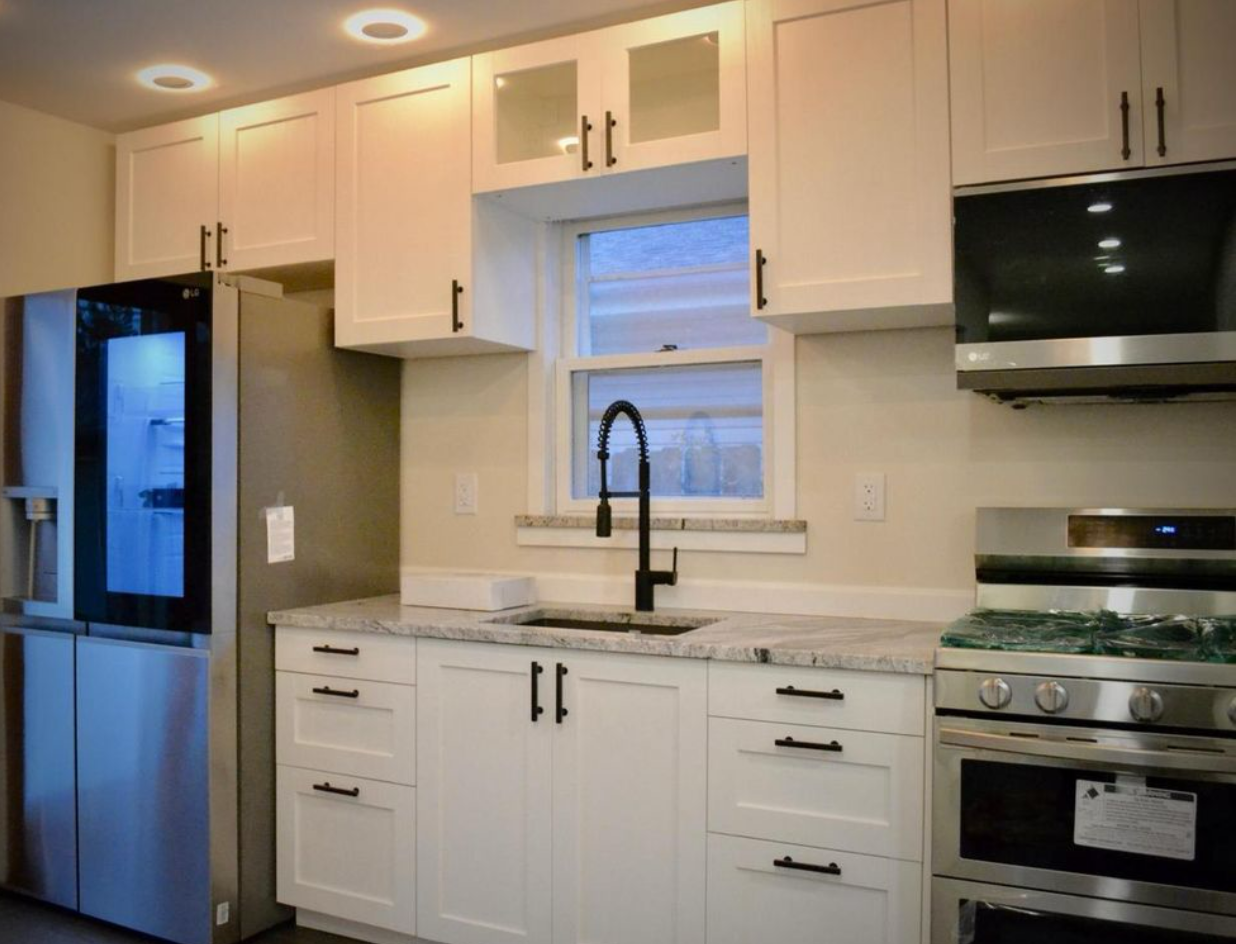
One-wall kitchens place all cabinets, appliances, and counters along a single wall. While simple, this layout can be surprisingly effective in very small kitchens or multipurpose spaces. One-wall kitchens work best when:
The kitchen shares space with another room
Square footage is extremely limited
The goal is a clean, uncluttered look
In older homes, one-wall kitchens are sometimes the most practical option when walls can’t be moved or structural changes aren’t feasible. Smart storage solutions and thoughtful appliance placement are key to making this layout functional.
Storage Tricks That Reduce Clutter
In a small kitchen, clutter builds quickly when storage isn’t planned intentionally. The goal isn’t to squeeze cabinets into every available inch, it’s to make the storage you do have easier to use and better suited to everyday habits.
Some of the most effective storage strategies focus on accessibility and efficiency rather than volume.
Extending cabinets to the ceiling, for example, helps eliminate wasted vertical space while keeping infrequently used items out of the way. Deep drawers in lower cabinets are often more practical than traditional shelves, making it easier to store pots, pans, and small appliances without digging.
Pull-out pantry systems and vertical storage can also make a noticeable difference in narrow kitchens, where floor space is limited but wall space can be optimized. These solutions allow homeowners to see and access items easily, reducing the tendency for counters to become overcrowded.
Just as important is deciding what not to store in the kitchen. Oversized appliances, rarely used gadgets, and duplicate items often take up valuable space without adding function. A thoughtful layout paired with smart storage helps keep the kitchen feeling open, usable, and easier to maintain day to day.
Common Small Kitchen Layout Mistakes to Avoid
Small kitchens are less forgiving of layout mistakes. Some of the most common issues we see include:
Oversized islands or peninsulas that restrict movement
Poor appliance placement that disrupts workflow
Too many upper cabinets, making the space feel boxed in
Prioritizing aesthetics over function
A layout that looks good on paper doesn’t always translate well to everyday use. That’s why it’s important to consider how the kitchen will actually be used, not just how it will look in photos.
Choosing the Right Layout for Your Space
There’s no single “best” layout for every small kitchen. The right choice depends on factors like the size and shape of the room, how the kitchen connects to the rest of the home, the age and structure of the house, your cooking habits, and your storage needs.
In many Southeast Wisconsin homes, especially older ones, small adjustments to layout can make a noticeable difference without requiring a full-scale renovation.
If you’re planning a small kitchen remodel and aren’t sure which layout makes the most sense for your space, talking through your options early can help avoid costly changes later.
Thinking about remodeling a small kitchen?
Reach out to discuss layout options that fit your space, your taste, and your budget.